
Introduction
When selecting high-performance electrical cables, two of the most common choices are UL Silicone Wire and UL Teflon Wire. Both are widely recognized for their durability, flexibility, and compliance with UL standards. But when it comes to longevity and reliability, many buyers ask the same question: Which lasts longer, UL Silicone Wire or UL Teflon Wire? As a leading UL Silicone Wire Manufacturer, XINSUN provides insights into the strengths and applications of these two cables.
What is UL Silicone Wire?
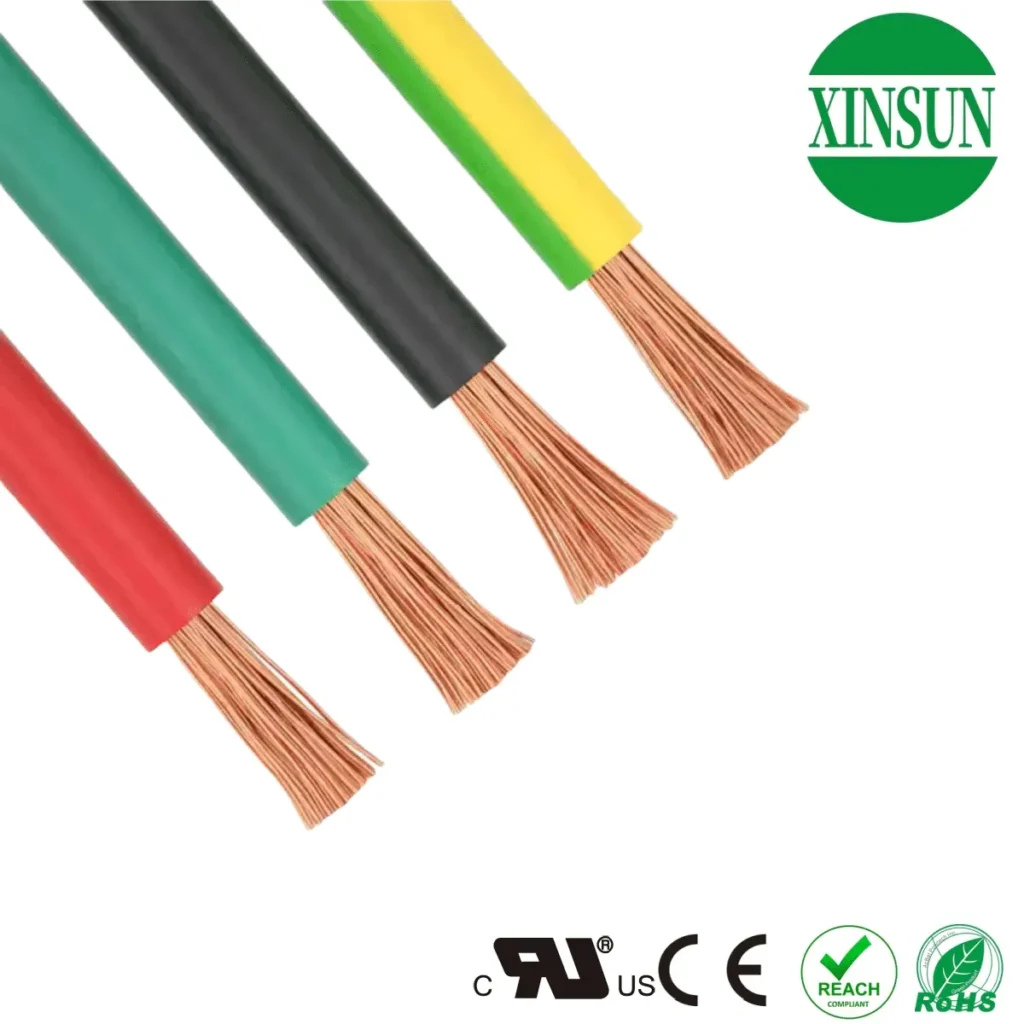
UL Silicone Wire, also known as UL Silicone Cable or UL Silicone Electrical Wire, is insulated with silicone rubber. Its main advantage is high temperature resistance and superior flexibility. Common models include UL 3135 Silicone Wire and UL 3239 Silicone Wire, both of which are widely used in home appliances, industrial equipment, and automotive applications.
Key features:
- Withstands continuous operation up to 200°C.
- Highly flexible even in low temperatures.
- Available with Tinned Copper UL Silicone Wire for enhanced corrosion resistance.
As a China UL Silicone Wire Supplier, XINSUN ensures each product meets strict UL standards and supports OEM customization.
What is UL Teflon Wire?
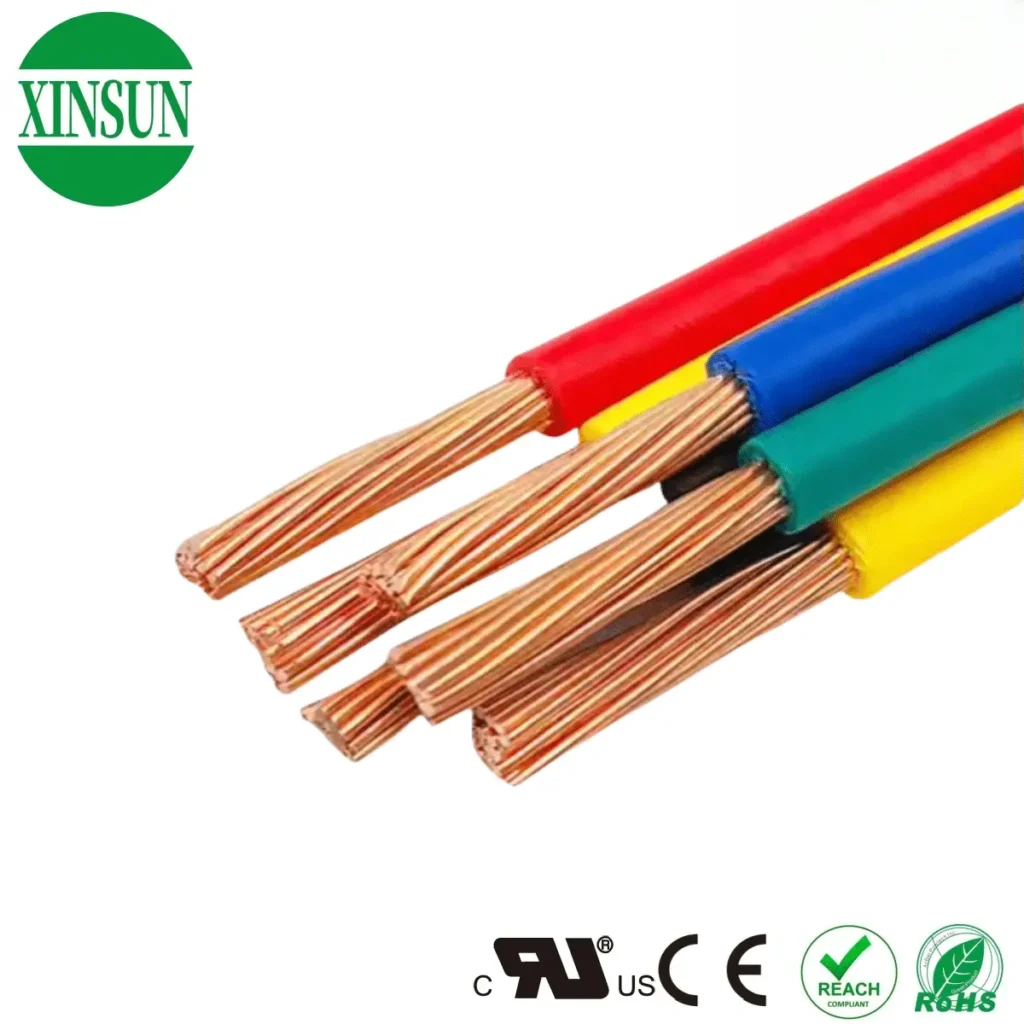
UL Teflon Wire uses PTFE, FEP, or PFA insulation, providing outstanding resistance to heat, chemicals, and mechanical wear. Models like UL 1332 Teflon Wire and UL 10362 Teflon Wire are widely applied in aerospace, electronics, and medical industries.
Key features:
- Can withstand extreme heat beyond 200°C.
- Excellent chemical resistance compared to silicone.
- Superior dielectric properties for sensitive circuits.
Like UL Silicone Cable, UL Teflon Wire is available from certified factories such as XINSUN, which supplies bulk and OEM solutions worldwide.
UL Silicone Wire vs Teflon Wire: Performance Comparison
| Feature | UL Silicone Wire | UL Teflon Wire |
| Temperature Resistance | Up to 200°C | 200°C to 260°C depending on material |
| Flexibility | Excellent, remains soft in cold and heat | Rigid compared to silicone, less flexible |
| Chemical Resistance | Moderate resistance | Superior resistance to oils, fuels, solvents |
| Flame Retardancy | Flame retardant | Highly flame retardant |
| Applications | Appliances, lighting, automotive | Aerospace, electronics, medical, military |
Both UL Silicone Electrical Wire and UL Teflon Wire are long-lasting, but their durability depends on the application environment.
Which Lasts Longer?
In flexibility-demanding applications (e.g., appliances, robotics, automotive harnesses), UL Silicone Wire tends to last longer due to its ability to remain soft and bendable over time.
In chemically aggressive or high-heat environments (e.g., aerospace, electronics, medical equipment), UL Teflon Wire is often the longer-lasting option thanks to its superior chemical stability.
Therefore, the choice depends on the specific working conditions. For general high temperature applications, High Temp UL Silicone Wire such as UL 3135 and UL 3239 is sufficient. For critical industries, UL Approved Teflon Wire may be the better solution
Why XINSUN?
- Comprehensive Range: Offering both UL Silicone Wire and UL Teflon Wire.
- OEM Services: As an OEM UL Silicone Cable Exporter, XINSUN provides tailored lengths, colors, and assemblies.
- Bulk Supply: As a Bulk UL Silicone Wire Distributor, XINSUN guarantees large-scale delivery.
- Factory Direct: With a UL Silicone Wire Factory China, XINSUN ensures consistent quality and cost advantages.
Conclusion
Both UL Silicone Wire and UL Teflon Wire offer excellent durability, but their longevity depends on the environment and application. For flexibility and appliance safety, UL Silicone Cable is ideal. For chemical resistance and extreme conditions, UL Teflon Wire is unmatched. With XINSUN as your supplier, you get certified solutions for both options, ensuring long-lasting performance and compliance.